Anatolia American University Hosts 1st Interdisciplinary Conference: Bridging Biology and Chemistry
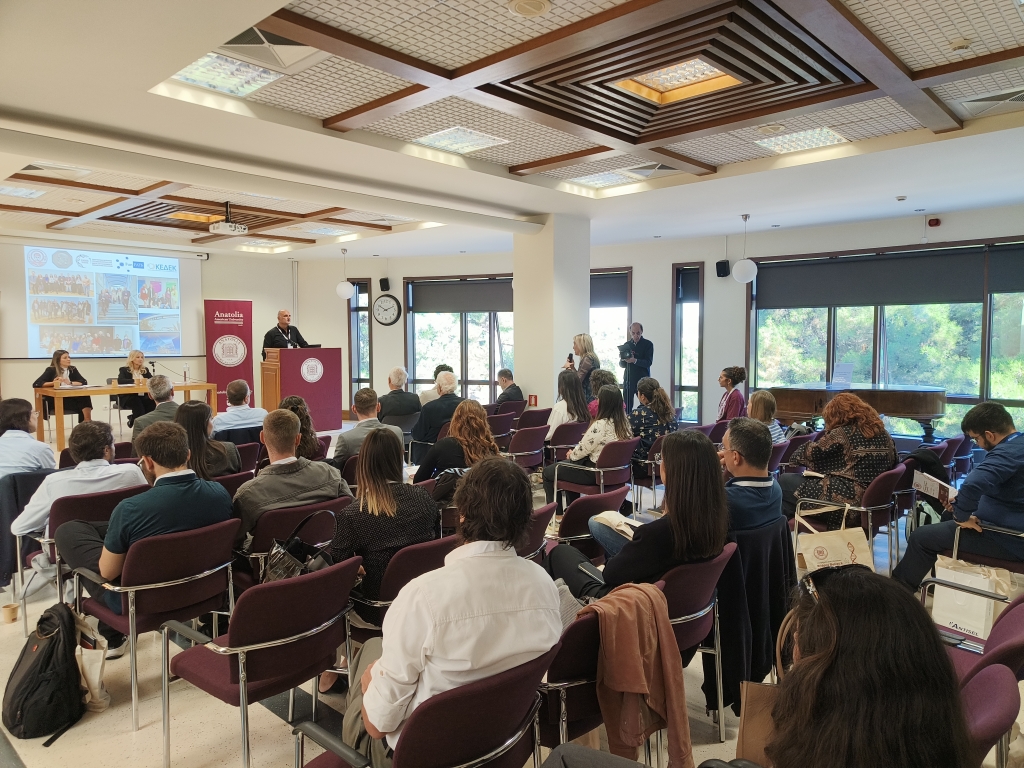
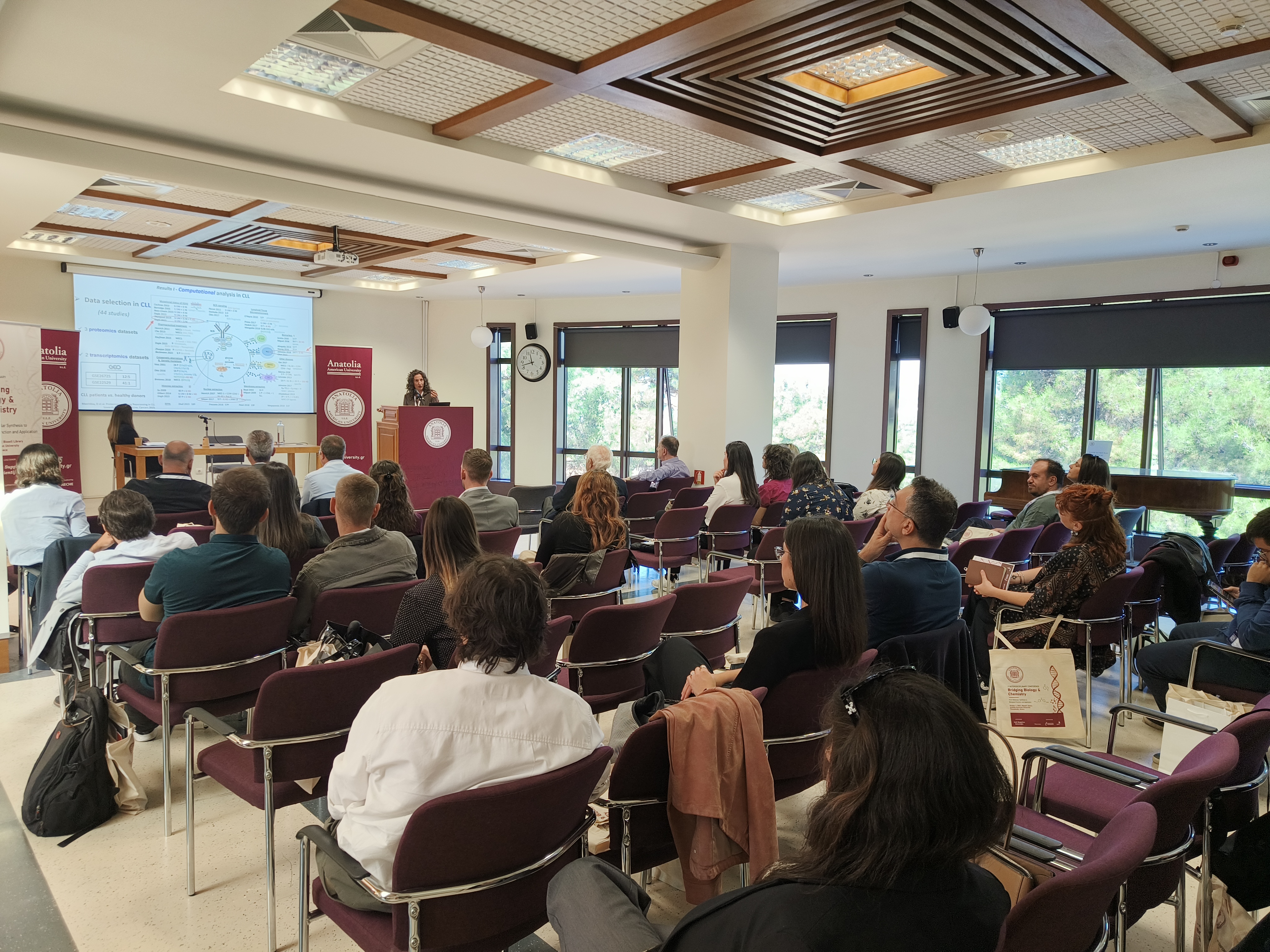
On October 3, 2026, the Department of Biological Sciences of the School of Science and Technology at Anatolia American University hosted its 1st Interdisciplinary Conference: Bridging Biology and Chemistry, bringing together researchers, faculty members, students, and early-career scientists for a day of scientific exchange and collaboration.
Held at the upper level of Bissell Library, the one-day conference explored the connections between chemistry and biology under the central theme “From Molecular Synthesis to Biological Function and Application.” Through keynote lectures, oral and poster presentations, participants presented recent research and discussed emerging approaches at the intersection of the two disciplines.
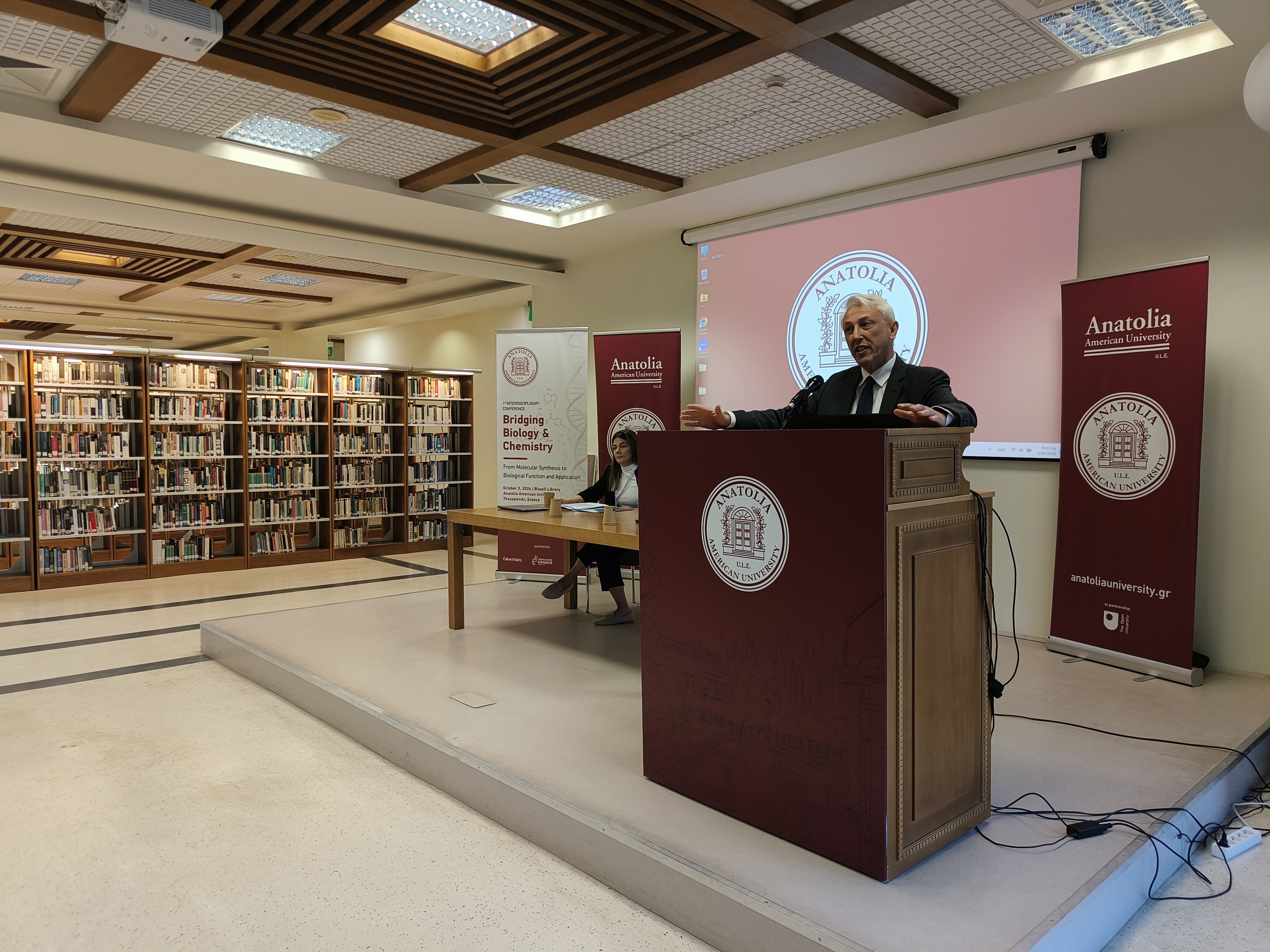
Connecting Chemistry and Biology
The conference was designed to highlight the increasingly interdisciplinary nature of contemporary scientific research. From molecular analysis and computational modelling to synthetic chemistry, functional materials, therapeutics, and regenerative medicine, the conference demonstrated how approaches from chemistry and biology can come together to address complex scientific and biomedical challenges.
The conference was an initiative of Dr. Mary S. Kalamaki, who served as Conference Chair, working together with Scientific Chair Dr. George Leonidis and Administrative Secretary Andriani Chaidali.The scientific program was organized into three thematic sessions:
Molecular Analysis, Modelling & Systems Biology
The first session focused on the use of molecular analysis, computational methods, and systems biology in modern research.
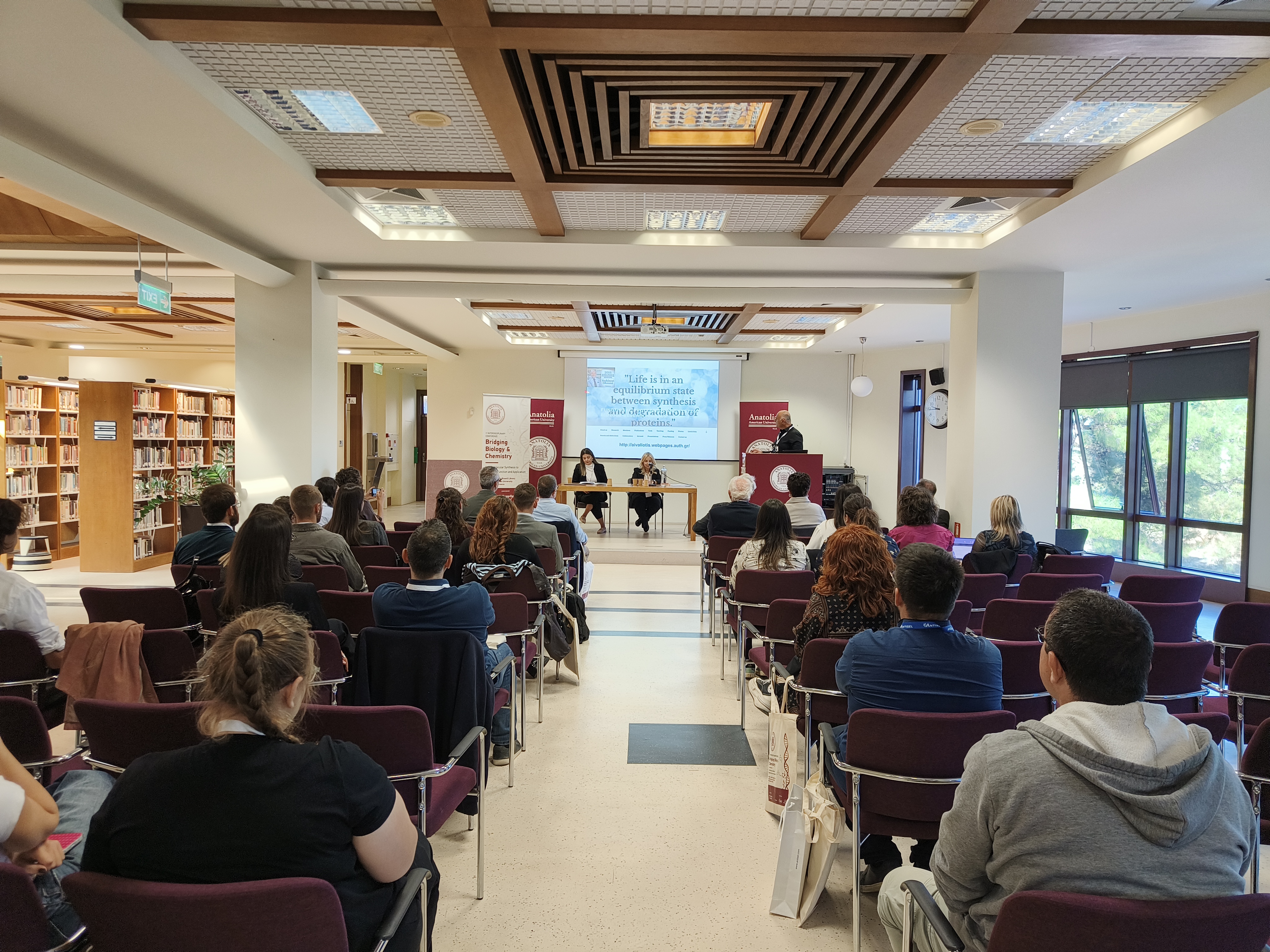
Prof. Michail Aivaliotis of the School of Medicine at Aristotle University of Thessaloniki delivered the keynote lecture, “Decoding the Proteome: The Role of Functional Proteomics and Systems Biology in Advancing Precision Medicine.”
The session also featured an extended presentation by Prof. Ioannis Gerothanassis of the University of Ioannina, who discussed applications of Nuclear Magnetic Resonance (NMR) in natural product research, biocatalysed reactions, and cellular interactions.
Additional presentations explored topics including AlphaFold 3 benchmarking against molecular dynamics, machine-learning digital twins for waste-to-methanol conversion, and multi-omics and proteomics approaches to drug repurposing in lymphoid neoplasms.
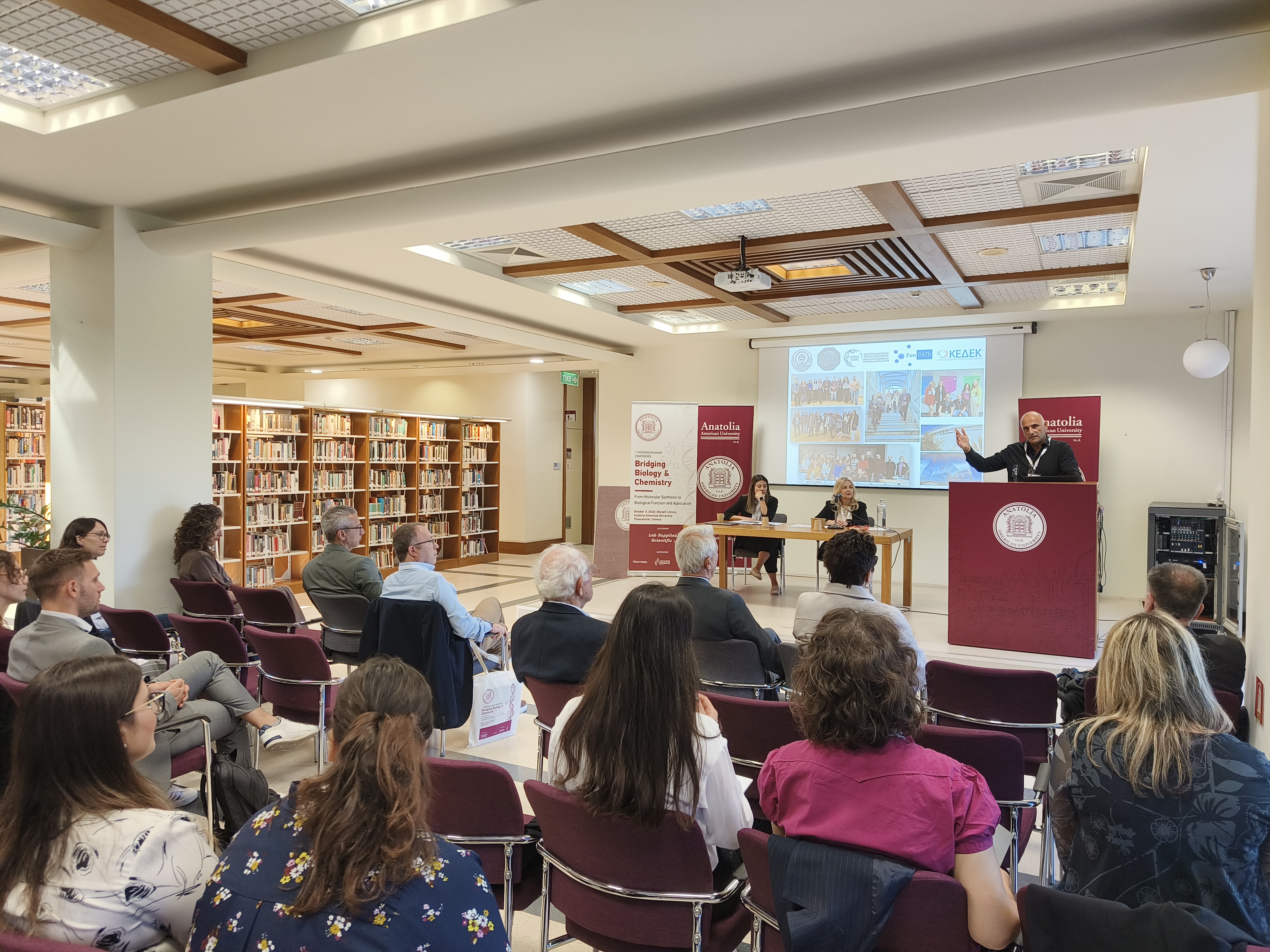
Synthesis, Functional Materials & Molecular Design
The second session examined advances in synthetic chemistry and the development of functional materials with potential biological and biomedical applications.
Prof. Ioannis Lykakis of the Department of Chemistry at Aristotle University of Thessaloniki delivered the keynote lecture, “Selective Green Catalytic Organic Synthetic Transformations for Biological Scaffolds.”
Presentations throughout the session addressed developments in photocatalysis, green three-component syntheses, photoactive nanomaterials, and functionalized metal oxide nanoparticles, including their potential applications in addressing neurodegenerative disorders.
Translational Chemical Biology, Therapeutics & Regenerative Medicine
The final session focused on translating chemical and biological research into therapeutic and biomedical applications.
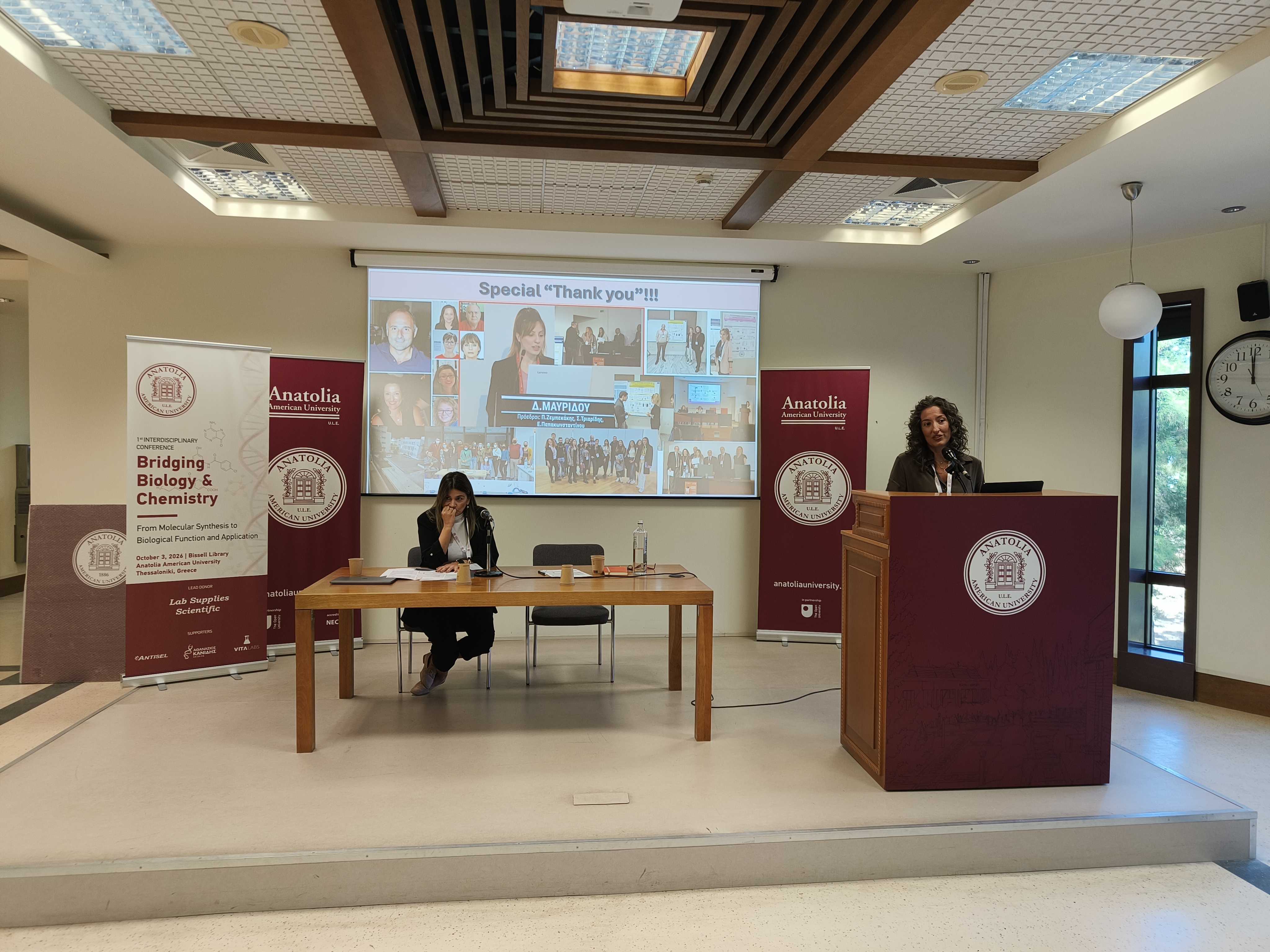
Michail Spathakis, MD, of Democritus University of Thrace, delivered a keynote lecture on “Harnessing Gut Microbiota Metabolites and Host Receptors for Drug Development in Inflammatory Bowel Disease.”
Other presentations examined biomaterials based on elastin and silk fibroin for tissue regeneration, computational design of antimicrobial Lynamicin analogues, LC-MS analysis of botanical extracts from Sonchus oleraceus, targeted Bcl-2 siRNA therapies for leukemia. Closing the session, this year’s iGEM team from Aristotle University of Thessaloniki presented AETh3R: A Targeted E3 Ligase-Harnessing Therapeutic Approach for Non-Small Cell Lung Cancer.
Giving Students a Platform to Share Research
Student participation was an important part of the conference, providing undergraduate and postgraduate students as well as postdoctoral researchers with an opportunity to present their work and engage directly with researchers from different scientific fields.
The poster sessions, held in the open space of Bissell Library, showcased a diverse range of research projects. Topics included alpha-lipoic acid synthetic analogues for potential applications in metabolic disease, in-silico evaluation of spike/ACE2 blocking agents for SARS-CoV-2, and Lactobacillus supplementation strategies for gut microbiota dysbiosis.
Beyond presenting their research, students had the opportunity to exchange ideas, receive feedback, and develop their scientific communication skills in an interdisciplinary academic setting.
The conference was also supported by a dedicated team of student volunteers: Vicky Tzouma, Spyros Angelidis, Theodora Partsou, Daria Kalchakova, Sofia Pertuz, Doris Leco, and Stefanos Kasapis.
Building an Interdisciplinary Scientific Community
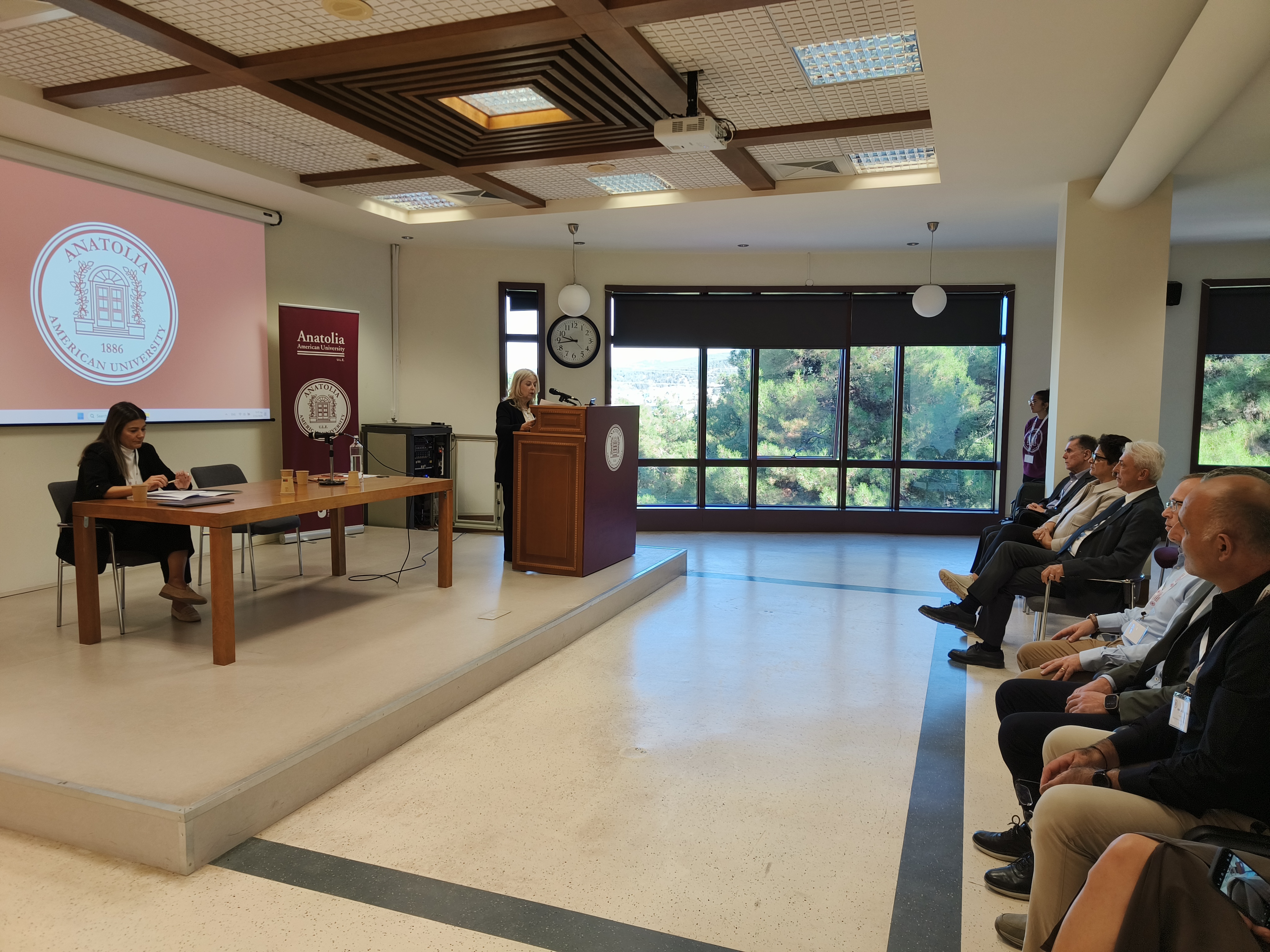
The conference concluded with closing remarks, the presentation of the Best Oral Presentation and Best Paper awards, and a look ahead to future initiatives that will continue to foster collaboration between biology, chemistry, and related scientific fields. The Best Oral Presentation award went to Anna Filindri for “AETh3R: A Targeted E3 Ligase-Harnessing Therapeutic Approach for Non-Small Cell Lung Cancer”, and the Best Poster award to Vicky Tzouma for “In Silico Design, Synthesis, and Biological Evaluation of Novel Ilaprazole-Based PBKTOPK Inhibitors for Cancer Therapy.”
The event was made possible through the generous support of its lead donor, Lab Supplies Scientific, and supporters ANTISEL, Athanasios Kanidis & Co., and VITALABS.Through its 1st Interdisciplinary Conference, Anatolia American University provided a platform for researchers and students to exchange ideas across disciplinary boundaries and highlighted the value of collaborative approaches to scientific discovery.
Building on this success, the conference will now be held every two years, establishing it as a regular meeting point for the interdisciplinary scientific community. See you in 2028!